I’m drafting this: Atmospheric Workspace OS
In summary, I love what @scottlanoue.com is cooking up with the Atmosphere OS. The road to an actual OS however is very long, and I think one way to arrive at something tangible sooner rather than later is a Rambox-like omniclient for atmospheric apps, aka an atmospheric apps launcher.
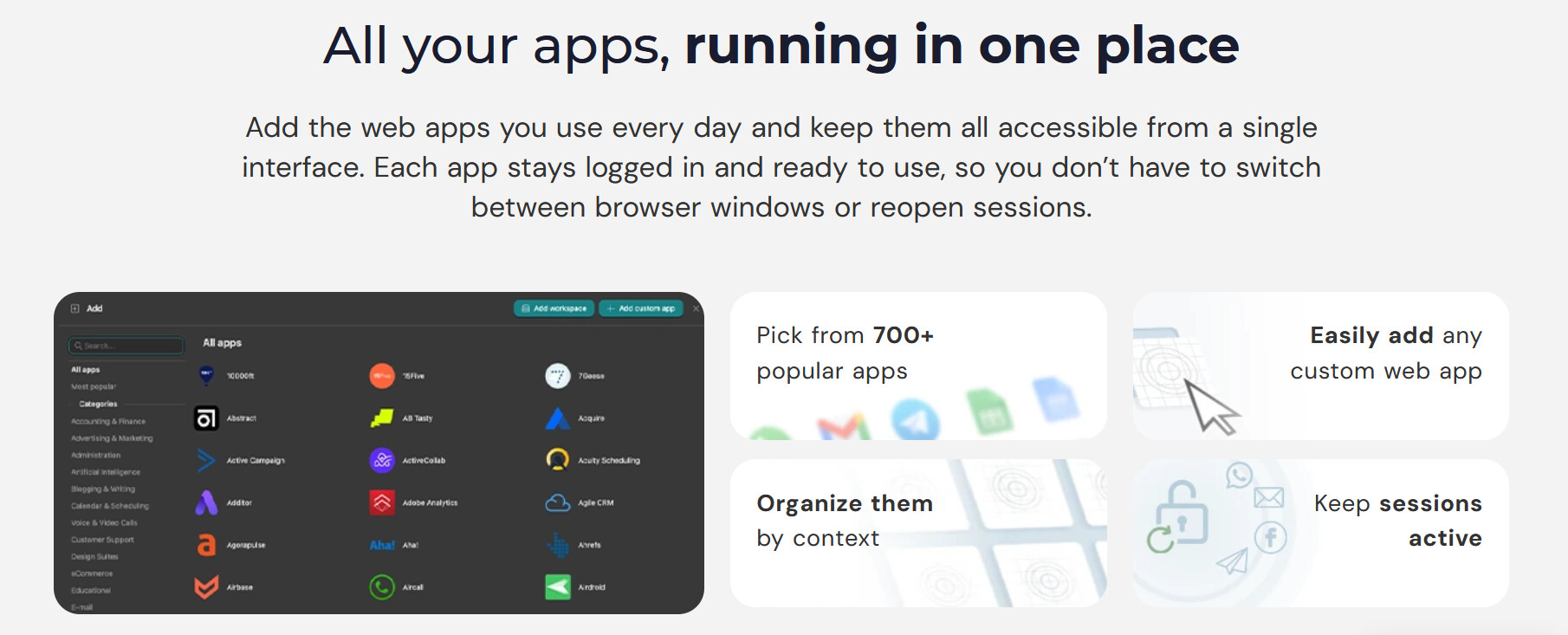
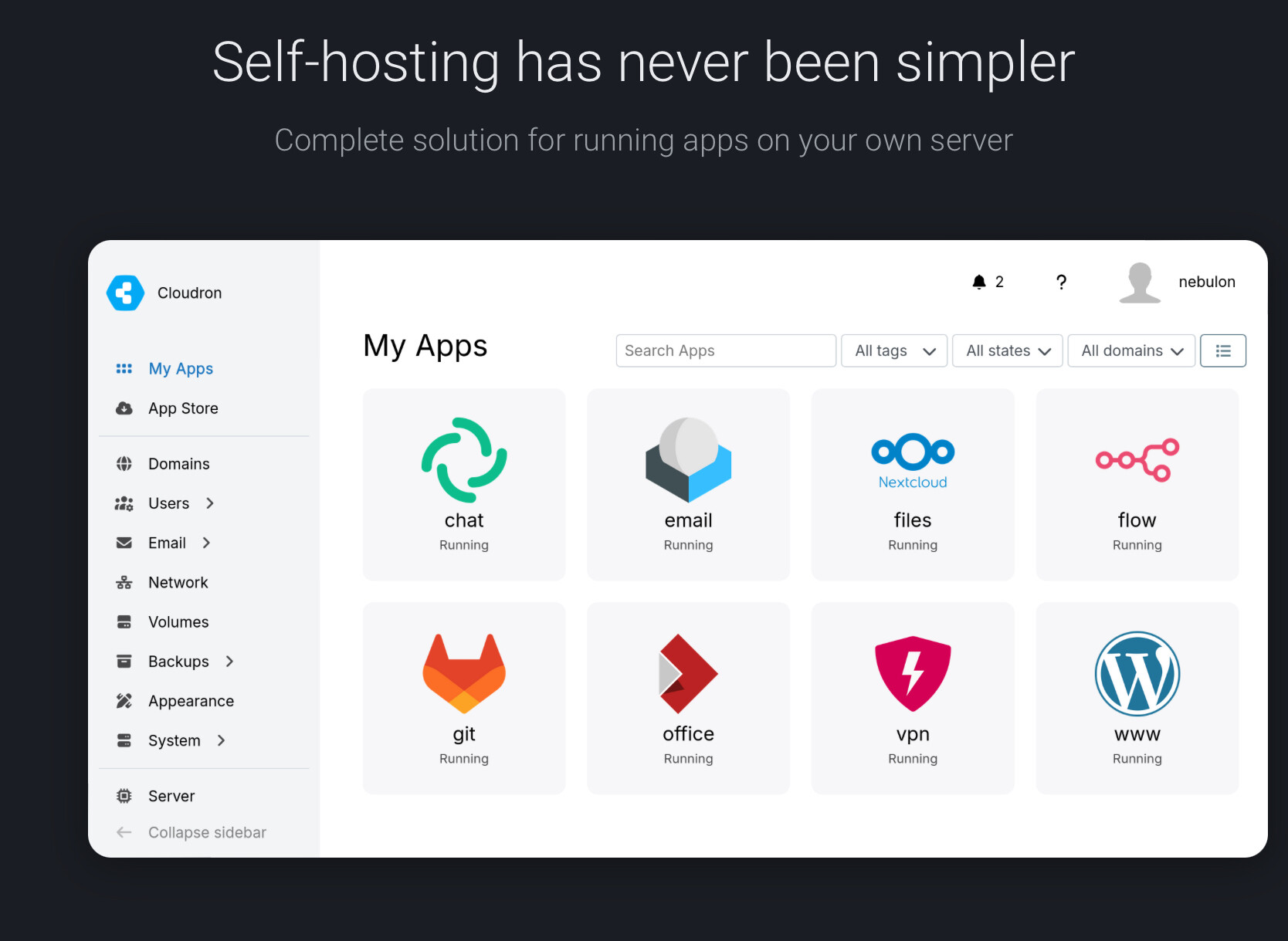
Most apps on the atmosphere don’t have the bandwidth to maintain a desktop distribution, even though many of these apps are useful in a workplace context, a few of which are even offline-first, like Reams by @hyl.st
What if we pooled our efforts to make one canonical Atmospheric Launcher app for the desktop (Windows, Mac, Linux)? Perhaps even starting web-first and going desktop from there; see the approach suggested by @disnetdev.com below.
There are different ways to go about this. The experience I’m reaching for is a downloadable desktop app that:
- Only asks me to log into my atmosphere account(s) once, and then keeps me logged in, ideally with even greater persistence than the average browser experience (atmo apps have a tendency towards very short auth sessions).
- facilitates local backups, key recovery, key rotations..
- built-in widget for atproto calls
- unified notifications
- ???
Option 1: Tauri omniclient
Ferdium is a long-standing open source alternative to the likes of Rambox, which could be forked into an atmo launcher. I started exploring this with a Tauri fork of Ferdium called Ferx.
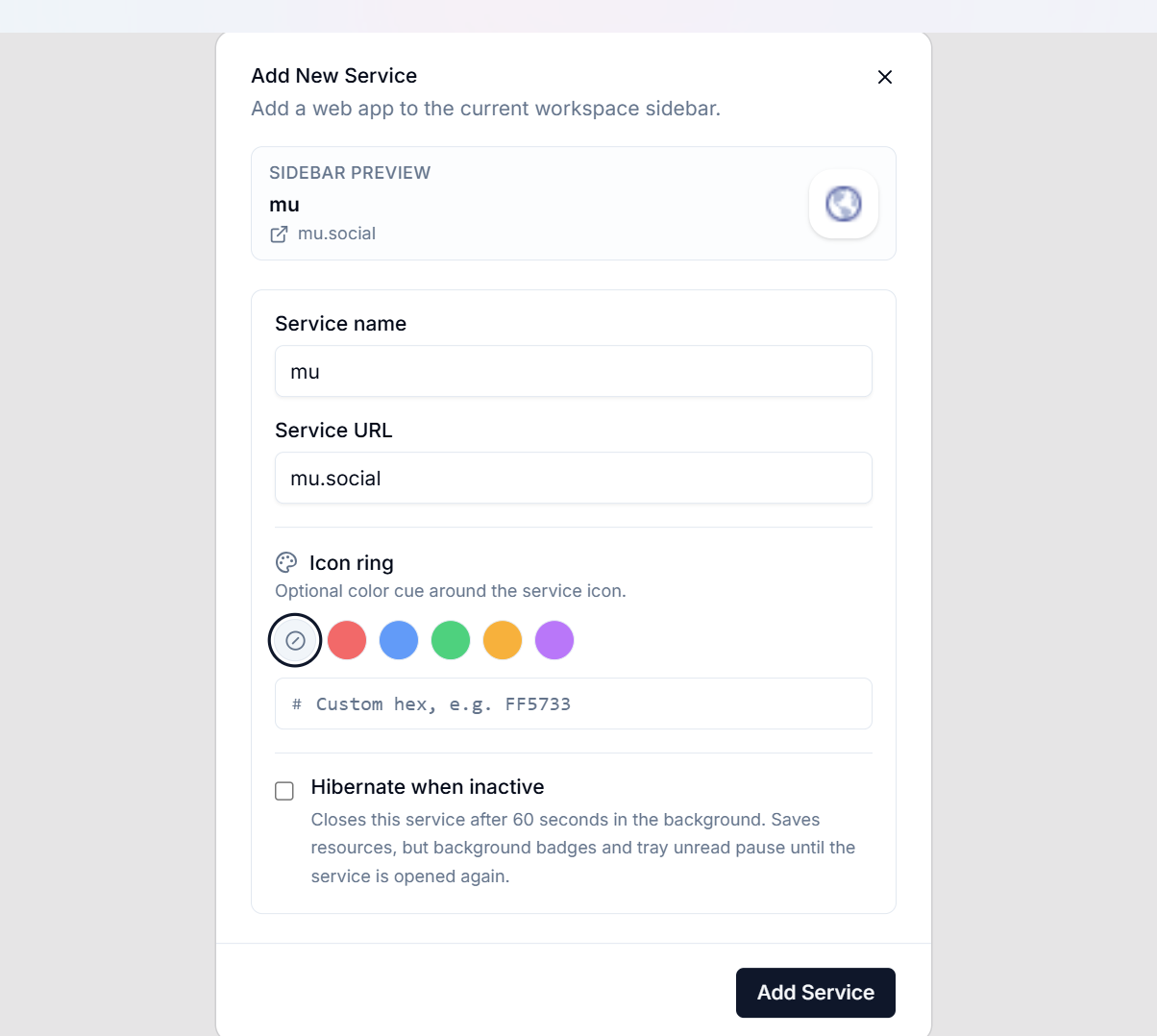
It’s pretty neat to see how easy it is to add additional apps to the client:
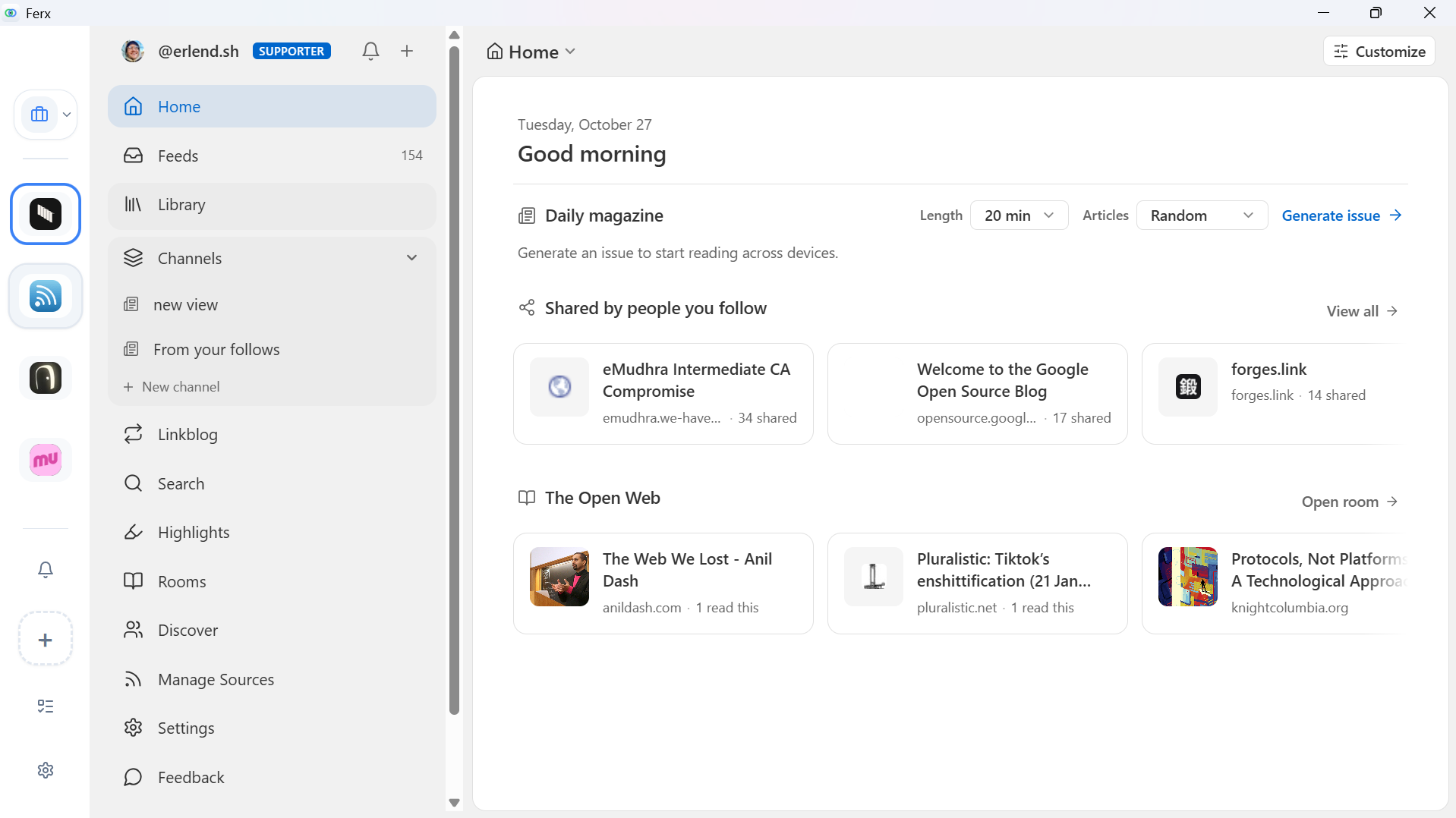
However, logins don’t work right. Ferx doesn’t have a built-in password storage and it also seems to run every app in a separate session, so even though I’ve already logged into one of these apps (Skyreader) with my atmo account, the rest don’t even know I already logged into my atmo account, which is a step down from the regular browser experience.
Option 2: Chrome derivative
This is the least proven option so far, but it’s how many of the Rambox-likes work, by simply sprinkling a thin additional layer on top of stock Chrome. This would be the same approach as the ideal long-term case that is Beaver, except the purpose of an atmospheric Chrome derivative would be an expedient time-to-market.
I’ve no idea how feasible it is to “simply layer some atmospheric stuff on top of Chrome”, but I keep being told we’re supposed to think more ambitiously in this brave new age of auto-coding. I’ve got my qualms about that but perhaps in this case that line of thinking is appropriate.
related:
Option 3: Web-first launcher
@disnetdev.com came up with another approach
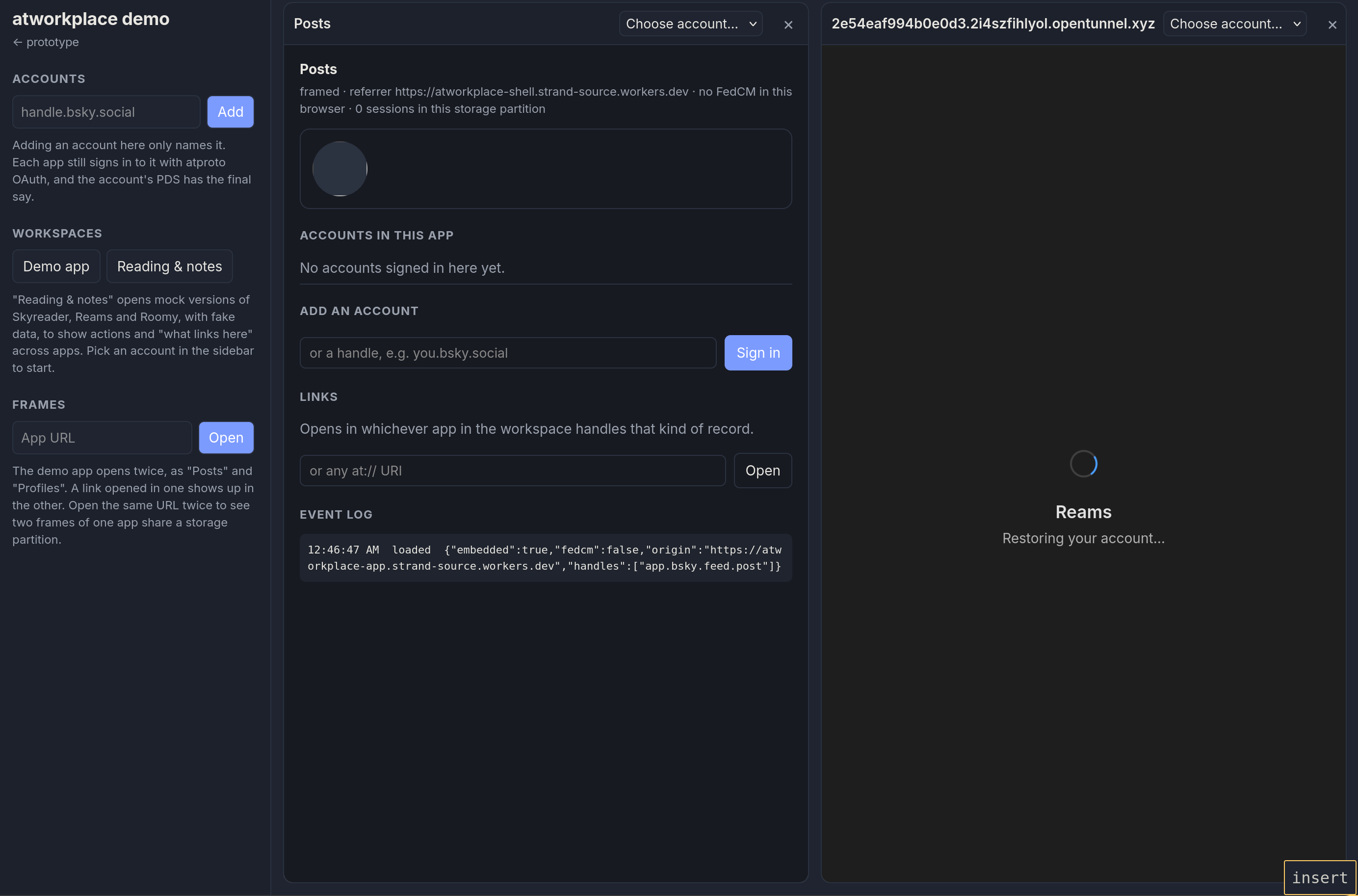
so this is really interesting and got me thinking if you could do an atmospheric workspace of cooperating apps without needing a desktop app. a few tokens later…
requires apps to opt-in to framing and then follow a small protocol: atlauncher/docs/PROTOCOL.md at main · disnet/atlauncher · GitHub
by framing and being atproto aware lets you do cool things like real unread badges without scraping titles and
at://link handling that route to the appropriate app.
I’ve been chatting with @scottlanoue.com @hyl.st and @disnetdev.com about this and this is where we’re at so far.